Understanding Gum Disease (Periodontal Disease)
Gum disease, also known as periodontal disease, is a common but serious condition that affects many adults. It’s a progressive infection that begins with the inflammation of gum tissue (gingivitis) and can lead to more severe issues if left untreated.
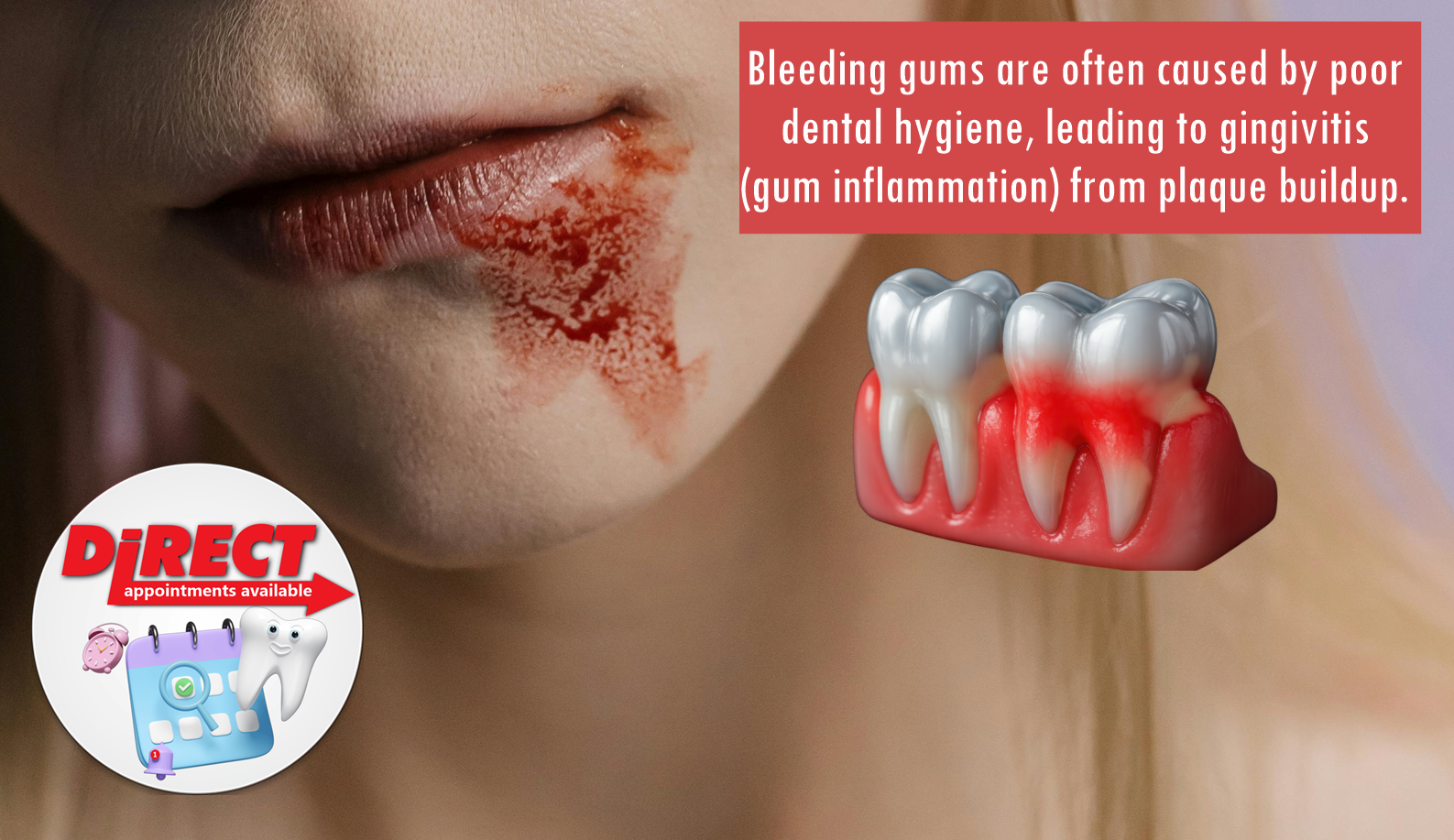
Bleeding gums are often caused by poor dental hygiene, leading to gingivitis (gum inflammation) from plaque buildup. Other common causes include brushing too hard, starting a new flossing routine, and pregnancy. Less common causes include certain medications, nutritional deficiencies, or underlying medical conditions like diabetes. If bleeding continues for two weeks or persists, consult a dentist for a professional diagnosis and treatment.
Stages of Gum Disease
Gingivitis – Early stage, reversible Red, swollen gums that may bleed when brushing
Early Periodontitis Inflammation begins to affect bone Gum recession, deepening pockets around teeth
Advanced Periodontitis Significant bone loss Loose teeth, persistent bad breath, pain while chewing
The Importance of Seeing a Dental Hygienist
Regular visits to a dental hygienist in Our Direct Dental Hygienist Harrow, Wembley, London are crucial for maintaining optimal oral health. Here’s why:
- Prevention of Gum Disease – Hygienists can spot early signs of gum disease and provide treatment before it progresses.
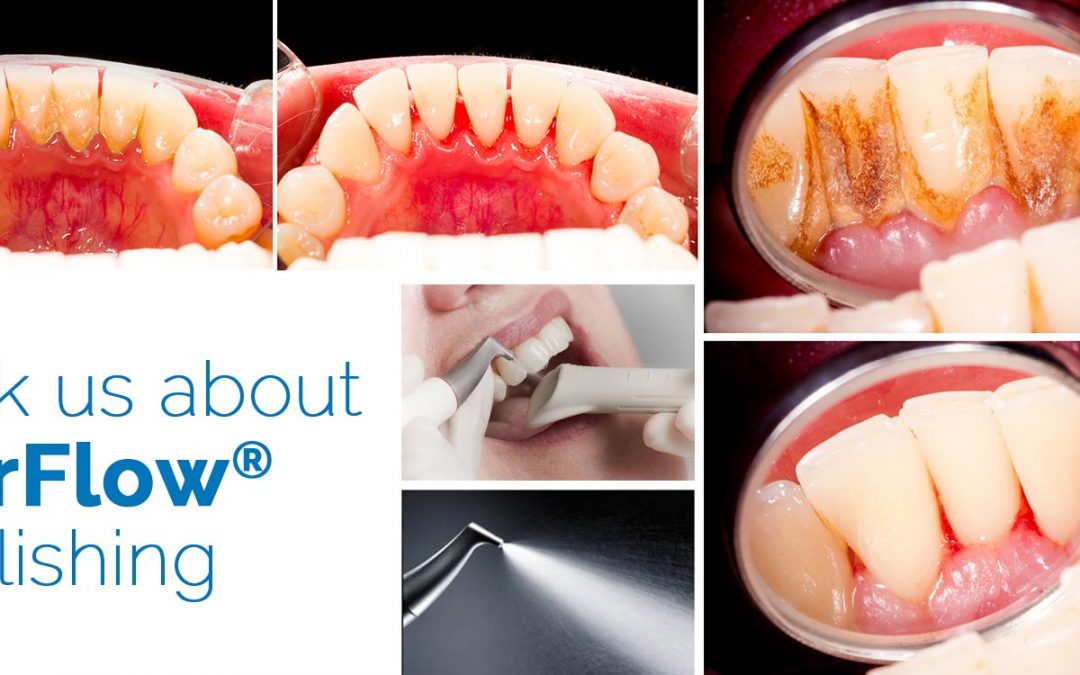
- Professional Cleaning – They remove plaque and tartar buildup that regular brushing and flossing can’t eliminate.
- Personalised Oral Care Advice – Hygienists offer tailored guidance on improving your at-home oral hygiene routine.
- Early Detection of Dental Issues – Regular check-ups can identify potential problems before they become serious.
- Fresher Breath – Professional cleaning helps combat bad breath by removing bacteria-harbouring plaque.
- Stain Removal – Hygienists can remove surface stains, leaving your teeth looking brighter.
Overall Health Benefits – Good oral health is linked to better general health, including reduced risk of heart disease and diabetes complications.